391B Orchard Road
Ngee Ann City Tower B #13-10/10A Singapore 238874

12 Farrer Park Station Road #05-01
Singapore 217565

391B Orchard Road
Ngee Ann City Tower B #13-10/10A Singapore 238874

12 Farrer Park Station Road #05-01
Singapore 217565

Is your Child struggling
with itchy rashes, dry
patches, or mysterious skin bumps that don’t go away,
no matter how many creams you’ve tried?

Is your Child struggling
with itchy rashes, dry patches, or mysterious skin bumps that don’t go away, no matter how many creams you’ve tried?

Skin issues can make your little one uncomfortable, disrupt their sleep, and leave you feeling helpless. Whether it’s eczema flare-ups, stubborn diaper rashes, or unusual spots, it’s stressful not knowing what’s normal and what needs medical attention.

Paediatric Dermatology:

Conditions WE OFTEN TREAT

Conditions WE
OFTEN TREAT

Eczema

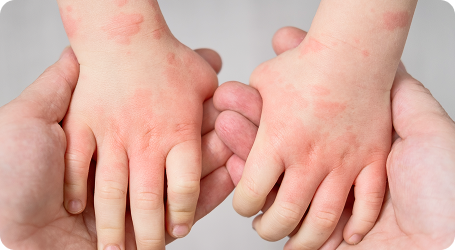
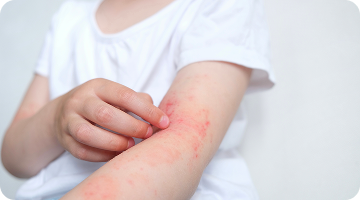
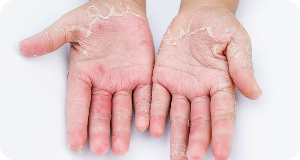
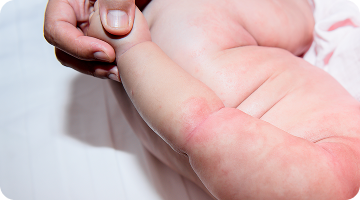
Eczema, also known as atopic dermatitis, is one of the most common skin conditions seen in paediatric dermatology. It is a chronic, inflammatory skin disorder that causes itchy, dry, and irritated skin.

Eczema typically begins in infancy or early childhood. Many children outgrow it, but some may continue to experience flare-ups into adulthood.

Common triggers and causes of eczema in children:

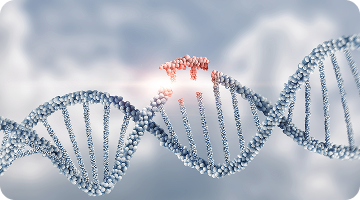
Genetics

  • Children with a family history of eczema, asthma, or allergic rhinitis (hay fever) are more likely to develop eczema. It’s part of the atopic triad.

Environmental

  • Heat & Sweat – Flare-ups often occur in warm or humid weather
  • Cold, Dry Air – Can dry out skin and worsen symptoms
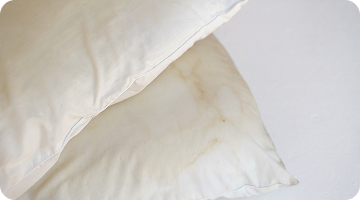
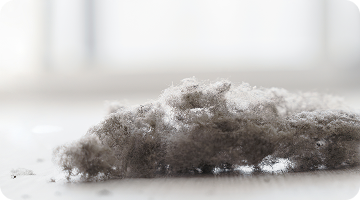
  • Dust Mites or Pet Dander – Common allergens that can irritate the skin
  • Pollen or Mold

Irritants

  • Soaps, Body Washes, and Shampoos – Especially those with fragrance or harsh chemicals
  • Laundry Detergents – Even “baby-safe” ones can cause reactions
  • Wool or Rough Fabrics – Can cause itching or abrasions

Food

  • Cow’s Milk, Eggs, Soy, Wheat, Nuts, or Seafood

Stress

  • Emotional stress or anxiety can trigger or worsen eczema even in young children.

Skin Infections

  • Bacterial or viral infections can aggravate eczema and delay healing.

Is your child’s eczema
not improving?

Is your child’s eczema not
improving?

Let’s take a closer look—book a skin consult today.

Paediatric Dermatology:

& FOOD/ENVIRONMENT Allergies

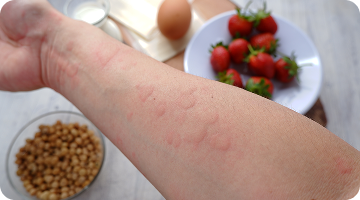
Skin rashes and food allergies often go hand-in-hand in children and are a common focus in paediatric dermatology. These conditions occur when a child’s immune system overreacts to certain foods or environmental allergens, leading to skin reactions such as allergy-related rashes, hives, or eczema flare-ups.

Common Environmental Allergens in Children:

Airborne Allergens

  • Dust Mites
  • Pollen
  • Mold Spores
  • Pet Dander

Contact Allergens

  • Fragrances
  • Nickel
  • Latex
  • Preservatives & Dyes

Suspect a Skin Allergy?

Let’s Identify the Triggers —
Book a Paediatric Allergy Consult Today.

PAEDIATRIC SKIN Infections

Skin infections are common conditions in children that result from bacteria, viruses, fungi, or parasites affecting the skin. In paediatric dermatology, these infections are carefully evaluated to determine the cause, prevent complications, and provide safe treatment tailored to young, sensitive skin.

Common triggers and causes of eczema in children:

Bacterial Infections:

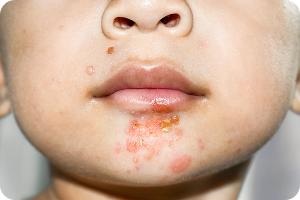
Impetigo

  • Highly contagious infection caused by Staphylococcus or Streptococcus bacteria
  • Presents with red sores, blisters, or honey-colored crusts, especially around the nose and mouth
  • Common in toddlers and school-age children

Cellulitis

  • Deeper skin infection causing redness, swelling, warmth, and pain
  • Often occurs after cuts, insect bites, or eczema flare-ups
  • Requires prompt treatment to prevent spreading

Viral Infections:

Molluscum Contagiosum

  • Small, firm, skin-colored bumps caused by a poxvirus
  • Often found on the face, trunk, or limbs
  • Typically self-limiting, but may take months to resolve

Warts

  • Caused by the human papillomavirus (HPV)
  • Common on hands, feet (plantar warts), or fingers
  • May resolve on their own or be treated if painful or spreading

Fungal Infections:

Tinea (Dermatophyte Infections)

  • Includes tinea capitis (scalp), tinea corporis (body), tinea pedis (feet/athlete’s foot)
  • Causes ring-shaped, scaly rashes with redness or itching
  • Contagious and treatable with antifungals

Candidiasis (Yeast Infection)

  • Common in diaper areas, skin folds, or oral cavity (thrush)
  • Caused by overgrowth of Candida yeast
  • Appears as red, inflamed patches often with satellite spots

Infections Can Spread Quickly

Let a Specialist Diagnose and Treat It Right.

NEWBORN Rash

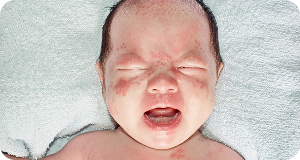
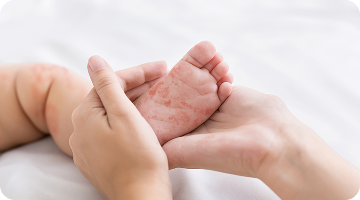
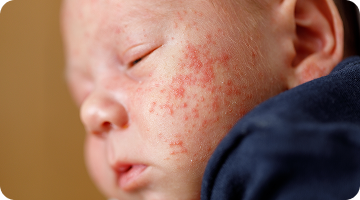
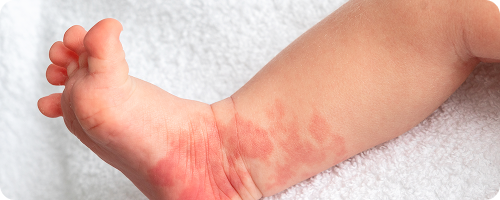
Newborn rashes are very common in the first few weeks of life and are usually harmless. In paediatric dermatology, these rashes are closely observed to distinguish between normal, self-limiting skin changes and those that may require treatment.

Common Types of Newborn Rashes:

Erythema Toxicum Neonatorum

  • Appears as red patches with small white or yellow bumps
  • Often seen on the face, trunk, and limbs
  • Harmless and typically resolves within 1–2 weeks

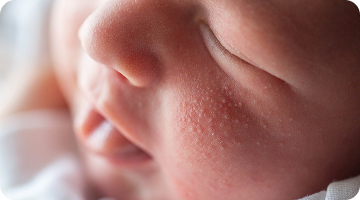
Milia

  • Tiny white bumps on the nose, cheeks, or chin
  • Caused by blocked skin pores
  • Usually clear up on their own

Baby Acne (Neonatal Acne)

  • Red or white pimples, often on the cheeks or forehead
  • Appears within the first few weeks of life
  • Caused by maternal hormones and resolves without treatment

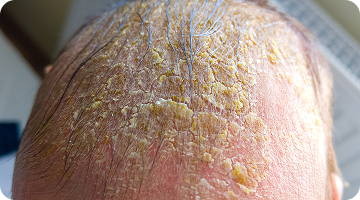
Cradle Cap (Seborrheic Dermatitis)

  • Yellow, greasy scales on the scalp or eyebrows
  • Not itchy or painful; improves with gentle washing and time

Heat Rash (Miliaria)

  • Tiny red bumps caused by sweat trapped under the skin
  • Common in warm climates or when babies are overdressed

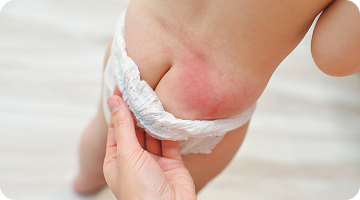
Diaper Rash

  • Redness and irritation in the diaper area
  • Caused by moisture, friction, and sometimes yeast infection

Worried about a rash?

Book a Paediatric Skin Check Today.

BIRTHMARKS

Birthmarks are skin markings or growths that are present at birth or develop shortly after. They are common in infants and are usually harmless, though some may require medical evaluation or treatment depending on their type, size, location, or if they change over time.

Common Types of Birthmarks:

Vascular Birthmarks (Caused by blood vessels)

These appear red, pink, or purple due to the abnormal growth of blood vessels.

Salmon Patches (Angel Kisses / Stork Bites)

  • Flat, pink patches usually on eyelids, forehead, or back of neck
  • Usually fade with time

Infantile Hemangiomas (Strawberry nevus)

  • Raised, red growths that appear within the first weeks of life
  • Grow quickly but often shrink over time
  • Some may need treatment if they affect vision, breathing, or feeding

Port-Wine Stains

  • Flat, purple or dark red patches that don’t fade over time
  • Can darken or thicken and may be associated with syndromes like Sturge-Weber

Pigmented Birthmarks (Caused by pigment cells)

These are tan, brown, blue, or black and result from an overgrowth of pigment-producing cells.

Café-au-Lait Spots

  • Light brown patches; one or two are normal
  • Multiple may be a sign of neurofibromatosis and need further evaluation

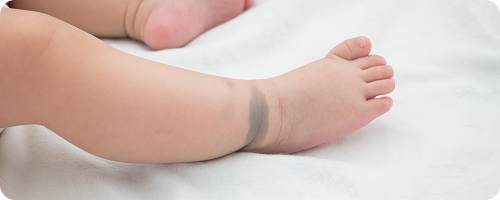
Mongolian Spots

  • Bluish-grey patches, often on the lower back or buttocks
  • Common in Asian and darker-skinned infants; usually fades by age 4

Congenital Melanocytic Nevi (Moles present at birth)

  • Vary in size and colour
  • Larger ones may carry a small risk of melanoma and need monitoring

When to Seek Treatment for Birthmarks in Children?

While many birthmarks are harmless and fade over time, medical attention is recommended in the following cases:

Concerned
About Your Child’s Birthmark

Schedule a consultation with Dermatology Collective today.

Our Doctor

Dr Kong Yan Ling

MBBS (Singapore), PG Dip (UK), FAMS (Dermatology)
Dr Kong Yan Ling is an MOH-accredited Consultant Dermatologist with expertise in paediatric, general, aesthetic dermatology, and skin surgery.
A Dean’s List graduate from the National University of Singapore, she topped the national Dermatology Exit Examination in 2018 and later completed a Diploma and Master’s in Practical Dermatology from Cardiff University.
Previously a Consultant at the National Skin Centre and Visiting Consultant at Khoo Teck Puat Hospital, Dr Kong also served as a clinical tutor at NUS and NTU and held the role of Assistant Chief Registrar at NSC. She was awarded the Ego–NSC Registrar Fellowship, completing an overseas attachment in Melbourne.
Dr Kong is actively involved in dermatology research, with numerous publications and textbook contributions, especially in paediatric dermatology. She is a Fellow of the Academy of Medicine, Singapore, and a member of several local and international dermatological societies.
Our clinics are Baby Bonus Approved Institutions (AIs), so you can use your Child Development Account (CDA) when you consult our dermatologists! All you need to do is to ensure your card is activated as the payment mode is similar to NETS and requires a pin number.

At Dermatology Collective, we believe your skin needs are unique.

We’re more than a clinic; we’re a partnership. Together, it is our collective responsibility, where decisions are shared. We will listen to you, support you, and help you feel confident in your skin—because your skin health journey matters to us as much as it matters to you.

"*" indicates required fields

This field is for validation purposes and should be left unchanged.
Preferred Contact Method*

Corporate Insurance:

  • DA adept health
  • MHC
  • Alliance
  • Whitecoat

Insurance Partners:

  • GE
  • Prudential
  • AIA
  • NTUC income
  • HSBC Life
  • Singlife

Ngee Ann City

Operating Hours:

HMI Medical Centre (Farrer Park)

Operating Hours:

Operating Hours

391B Orchard Road
Ngee Ann City Tower B #13-10/10A Singapore 238874

12 Farrer Park Station Road #05-01
Singapore 217565

General/Enquiry Email(s):