391B Orchard Road
Ngee Ann City Tower B #13-10/10A Singapore 238874
12 Farrer Park Station Road #05-01
Singapore 217565
391B Orchard Road
Ngee Ann City Tower B #13-10/10A Singapore 238874

12 Farrer Park Station Road #05-01
Singapore 217565

Dermatology Collective Photodynamic Therapy (PDT) in Singapore

Dermatology Collective Photodynamic Therapy (PDT) in Singapore

Some skin changes are easier to feel than to see: a rough, sandpaper-like patch on your forehead, a scaly spot on your scalp that keeps coming back, or several small crusty areas on the backs of your hands. These are often signs of long-term sun damage. Photodynamic therapy is one way to treat them, and our dermatologists can help you work out whether it suits your skin.

Things To Know

  • PDT uses a light-sensitive cream and a specific light to treat sun-damaged skin cells
  • It is internationally established as an approved treatment option for pre-cancerous skin lesions such as actinic keratosis, and skin cancers such as squamous cell carcinoma in-situ (or Bowen’s disease) and superficial basal cell carcinoma.
  • It has been used in other skin conditions such as recalcitrant viral warts, acne, and porokeratosis.
  • Every patient is assessed by a dermatologist before Photodynamic Therapy is recommended
  • Available at our clinics in Ngee Ann City and HMI Medical Centre (Farrer Park)
Dermatology Collective Photodynamic Therapy (PDT) in Singapore

Could Photodynamic Therapy Help With Your Skin Concern?

You may want to ask a dermatologist about Photodynamic Therapy if you have:
  • Rough, dry or scaly patches on exposed skin areas such as your face, scalp, ears, forearms or hands
  • Persistent and progressive scaly patch
  • Been diagnosed with actinic keratosis, squamous cell carcinoma in-situ (Bowen’s disease), or basal cell carcinoma and want to know your options
  • A history of years of outdoor work, sport or sun exposure
If you are not sure what the patch is, that’s the right reason to get it looked at. The first step is a proper diagnosis.
Dermatology Collective Photodynamic Therapy (PDT) in Singapore

What is Photodynamic Therapy?

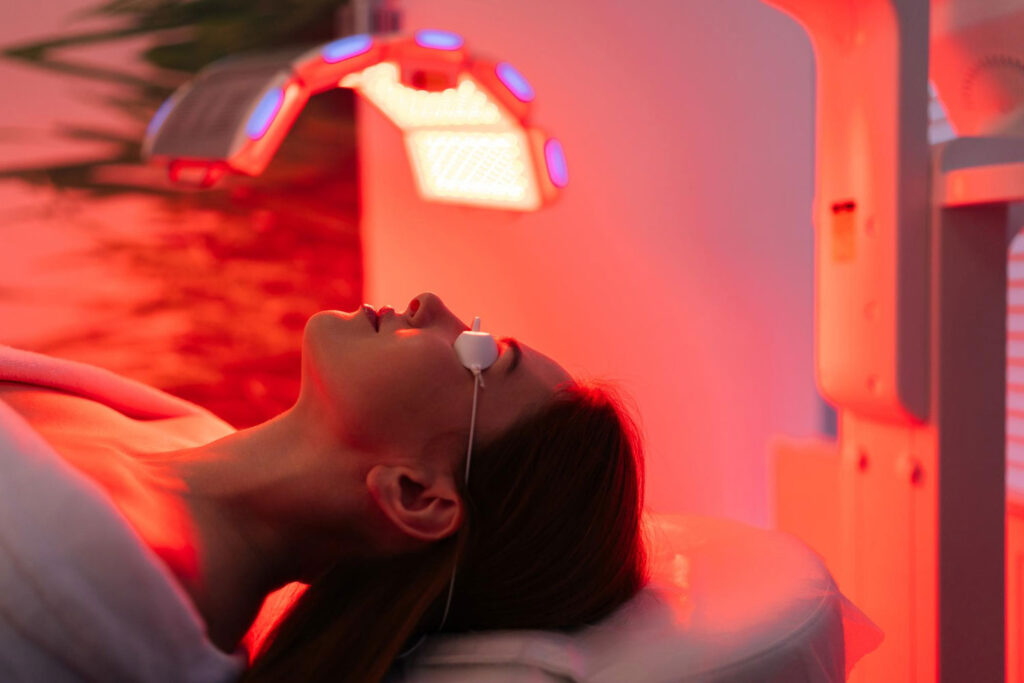
PDT is a two-step treatment. First, a cream containing a light-sensitising agent is applied to the affected skin. Abnormal and sun-damaged cells take up more of this medication than healthy cells.
After the cream has had time to absorb, the area is exposed to a specific light. The light activates the medication, and the damaged cells break down. Over the next one to two weeks, the treated skin peels and is replaced by new skin.
Because it treats a whole area of skin irradiated by the light source, Photodynamic Therapy is often considered when there are multiple sites of involvement.
Dermatology Collective Photodynamic Therapy (PDT) in Singapore

PDT forActinic Keratosis

Actinic keratoses are rough, scaly patches caused by years of ultraviolet exposure.
Most actinic keratoses appear harmless, but up to 30% can develop into a type of skin cancer called squamous cell carcinoma over 5 years. This is why dermatologists usually recommend treating them rather than leaving them alone.
Options include freezing (cryotherapy), prescription creams and PDT. Photodynamic Therapy is often preferred when:
  • There are multiple sites of involvement
  • The area is cosmetically sensitive, such as the face
  • You would prefer a treatment completed in one clinic visit over weeks of daily creams
Dermatology Collective Photodynamic Therapy (PDT) in Singapore

Other Conditions Photodynamic Therapy May Be Used For
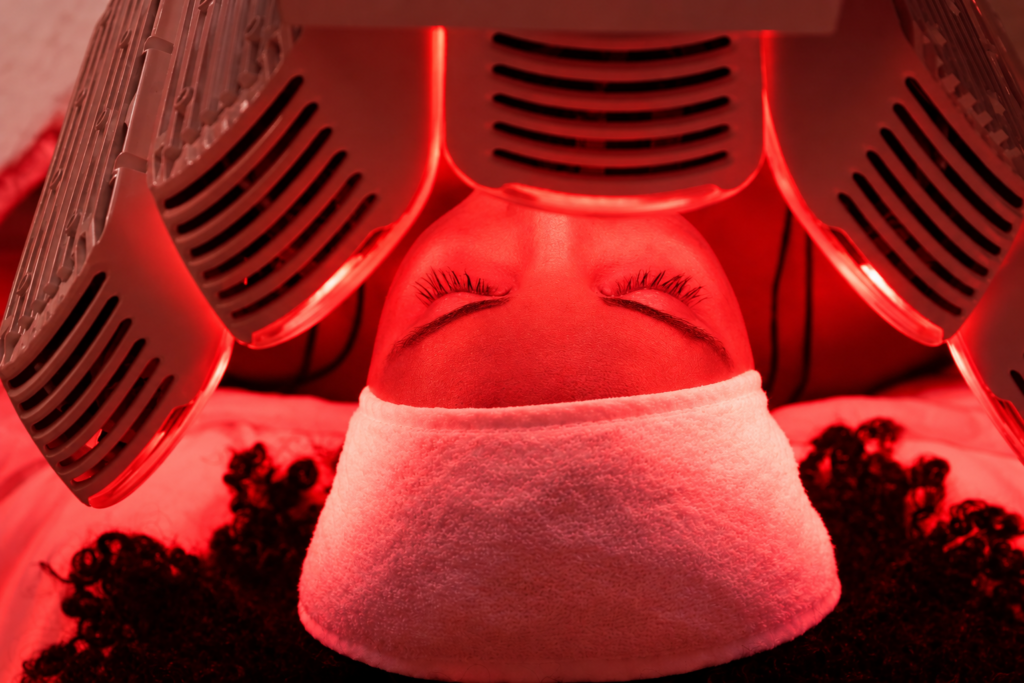
Photodynamic Therapy is internationally established as an approved treatment option for skin cancers such as squamous cell carcinoma in-situ (or Bowen’s disease) and superficial basal cell carcinoma. A biopsy may be needed first to confirm what it is. PDT has also been used to treat other skin conditions such as recalcitrant viral warts, porokeratosis or acne.

How Do We Decide What’s Right for You?

PDT is one option among several. Before recommending it, your dermatologist will look at:
  • The diagnosis, and whether a biopsy is needed to confirm it
  • How many patches you have, and how thick they are
  • Where they are, and how much down-time you can allow
  • Your medical history and any medicines that make your skin sensitive to light
  • Treatments you have already tried, and what you would prefer
If cryotherapy or a prescription cream would suit you better, we will tell you.

What happens during Photodynamic Therapy?
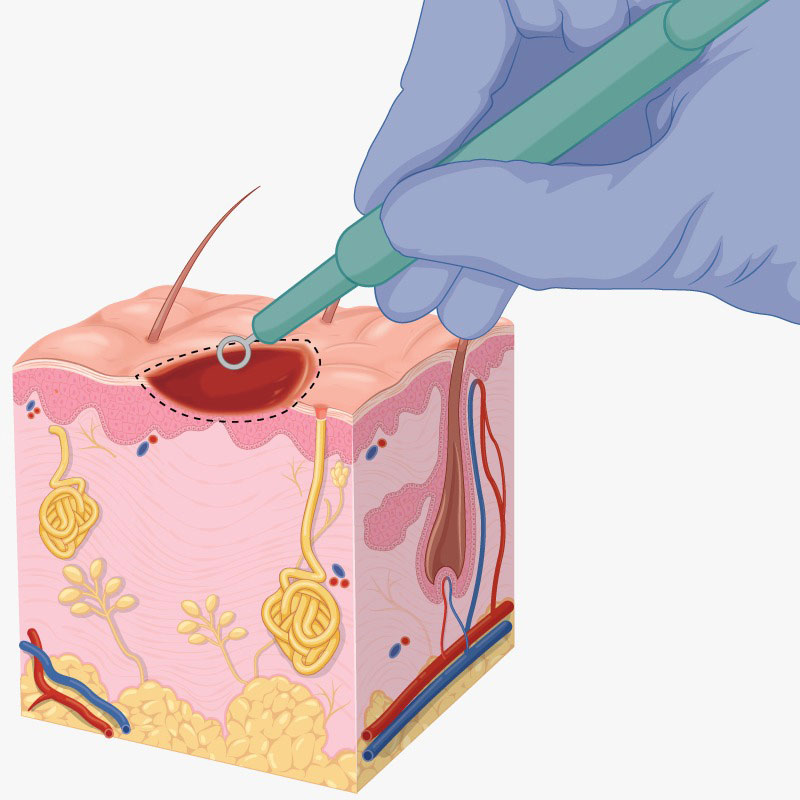
If you are considering photodynamic therapy, understanding the treatment process beforehand can make the decision easier.
Dermatology Collective Photodynamic Therapy (PDT) in Singapore
  • Preparing the skin: the area is cleaned, and any scale or crust is gently removed so the cream can absorb.
  • Applying the cream: the light-sensitising cream is applied and covered with a dressing for [about 3 hours]. You can wait at the clinic or nearby cafe during this time.
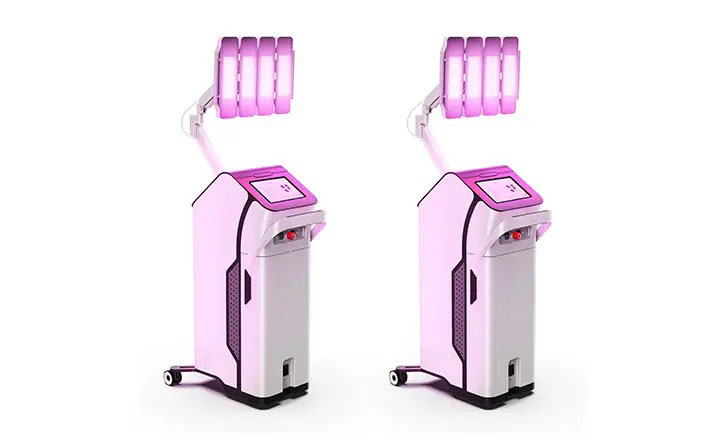
  • Light treatment: the cream is wiped off and the area is placed under the light for [about 10-15 minutes]. Most people feel stinging, burning or heat. We can pause, or use cooling, if it gets uncomfortable.
  • Covering up: the area is covered again before you leave, to protect it from light.
  • Additional sessions: Conditions such as Bowen’s disease or superficial basal cell carcinoma will require another treatment session 1 week later. For actinic keratosis, one treatment session is sufficient.
  • Follow-up: we arrange a review, around 3 months later, to check how the skin has responded.
Dermatology Collective Photodynamic Therapy (PDT) in Singapore

Recovery and Sun Protection After PDT

Expect the treated skin to look like a strong sunburn for the first few days. Redness and swelling usually peak in the first two to three days. Crusting and peeling follow, and most people find the skin settled within one to two weeks.
For the first 48 hours, the treated area is still sensitive to light, including bright indoor lighting.
During this time you should:
  • Keep the area covered, with a wide-brimmed hat or scarf for the face and scalp
  • Stay indoors where possible, away from windows and strong lamps
  • Avoid exercising outdoors
  • Let crusts fall off on their own rather than picking them
  • Use the aftercare products your dermatologist recommends
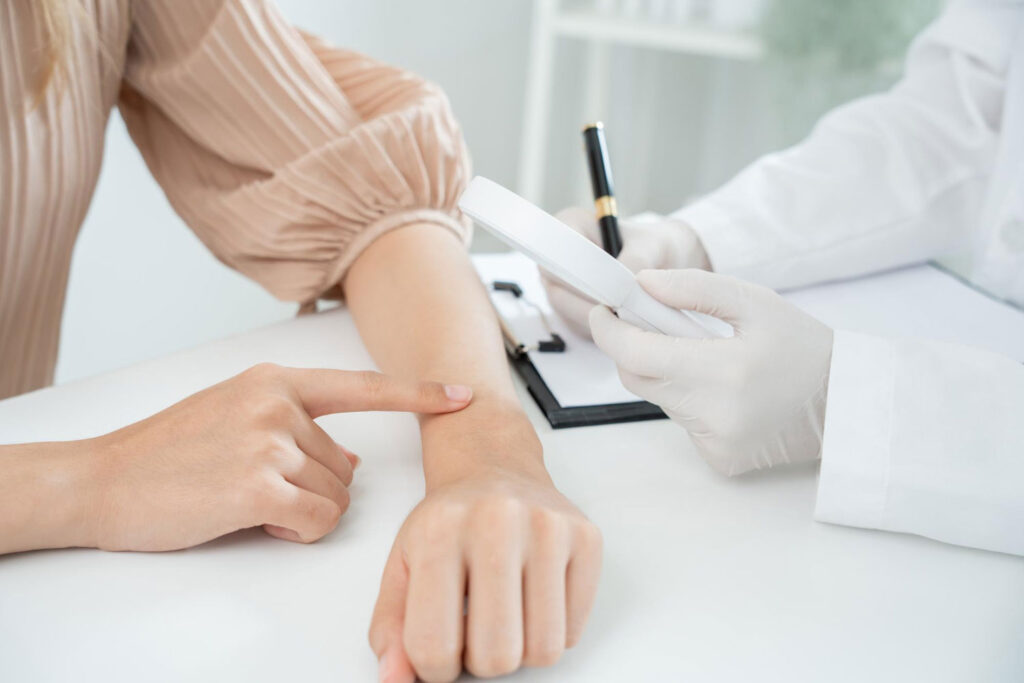
If you work outdoors, have an event coming up, or are travelling soon, tell us at your consultation so we can plan the timing around it.
How Do We Decide What’s Right for You?

When Should You See a Dermatologist?

  • A rough or scaly patch that hasn’t gone away after a few weeks
  • A spot that bleeds, grows quickly or becomes painful
  • Several new patches appearing on sun-exposed skin
  • A patch that remains persistent
  • You’re not sure what the skin lesion is
How Do We Decide What’s Right for You?

Our Doctors

At Dermatology Collective, we want you to understand what’s on your skin before you decide on any treatment. Our dermatologists will explain the diagnosis, go through your options, including whether you need treatment at all, and plan Photodynamic Therapy around your schedule if it’s the right choice.
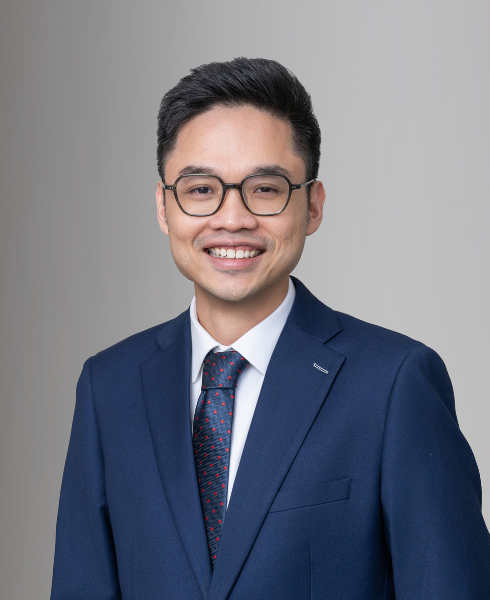
“ Your skincare treatment is unique, and will holistically address your needs. Through communication, we hope to help you achieve what your skin requires. ”

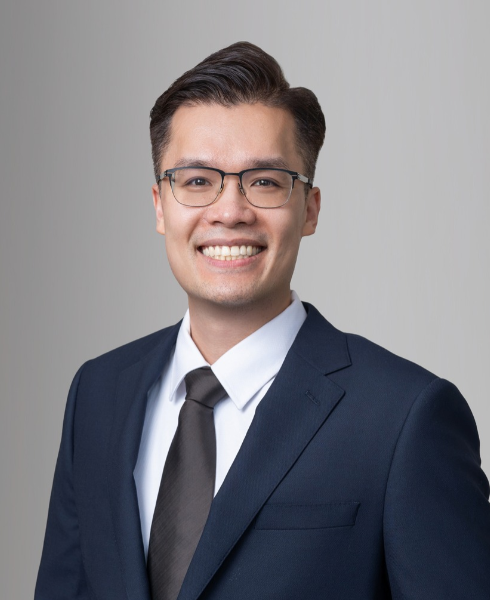
Dr Kok Wai Leong

MBBS (S’pore), GDIP (Occ Med), FAMS (Dermatology)
Dr Kok Wai Leong has clinical interests in eczema, psoriasis, allergies, skin cancers, and sun-damaged skin, including diagnosing and managing actinic keratosis. He treats both children and adults with a wide range of skin conditions and performs skin surgery, laser procedures, and cosmetic dermatology treatments. He also manages inflammatory and immunological skin conditions and has experience with biologic therapy and phototherapy.
Before entering private practice, Dr Kok served as a Visiting Consultant at Khoo Teck Puat Hospital and the National Skin Centre. He is a Board Member of the Chapter of Dermatologists, College of Physicians Singapore, and an Executive Committee Member of the Dermatological Society of Singapore.
Dr Kok has presented research at regional and international meetings and published in peer-reviewed journals. He also serves as a reviewer for international journals. He previously taught at the Yong Loo Lin School of Medicine, National University of Singapore, and the Lee Kong Chian School of Medicine, Nanyang Technological University, where he received a teaching award.
He practices occupational dermatology and serves as a medical assessor for the Civil Aviation Medical Board. He is also a Visiting Consultant Dermatologist at the Singapore Armed Forces Military Medicine Institute.

Dr Kong Yan Ling

MBBS (Singapore), PG Dip (UK), FAMS (Dermatology)
Dr Kong Yan Ling is a Ministry of Health-accredited Consultant Dermatologist with clinical interests in paediatric dermatology, general dermatology, aesthetic dermatology, and skin surgery.
She graduated from the National University of Singapore in 2011 and received Dean’s List honours for multiple years. She completed her specialist dermatology training and was awarded the Gold Medal as the Top Candidate in the national Dermatology Exit Examination in 2018. She later obtained a Diploma in Practical Dermatology and a Master of Science in Practical Dermatology from Cardiff University.
Before entering private practice, Dr Kong was a Consultant Dermatologist at the National Skin Centre and a Visiting Consultant at Khoo Teck Puat Hospital. She also served as a clinical tutor at the Yong Loo Lin School of Medicine (NUS) and Lee Kong Chian School of Medicine (NTU), and completed an overseas fellowship in Melbourne through the Ego–NSC Registrar Fellowship.
Dr Kong has published in peer-reviewed journals, co-authored chapters in dermatology textbooks, and has a particular interest in paediatric dermatology. She is a Fellow of the Academy of Medicine, Singapore (Dermatology), and a member of the Dermatological Society of Singapore, the Asian Society of Pediatric Dermatology, and the International Society of Pediatric Dermatology.

“Your skin condition is personal, and so is the care you receive. I believe in taking the time to truly understand your concerns, and in working together with you to find the approach that works best for your skin and your life.”

Dr Tan Chee Hian

MBBS (Singapore), MRCP (UK), MMED (Internal Medicine), FAMS (Dermatology)
Dr Tan Chee Hian is an experienced Singapore-based dermatologist accredited by the Ministry of Health. Over the course of his career he has built deep clinical expertise, driven by a genuine commitment to his patients and a continual desire to refine his craft.
Dr Tan treats both adults and children, with a clinical focus on eczema, psoriasis, photosensitive skin disorders, and skin cancer. Patients presenting with longstanding rashes, flaring skin conditions, or suspicious lesions are guided through a thorough, unhurried assessment — beginning with a clear explanation of their condition before exploring the most suitable treatment options together. His procedural work includes photodynamic therapy, laser-based treatments, and skin cancer surgery.
This expertise was built on strong foundations. Dr Tan completed his Internal Medicine Residency at NHG Health, where he served as Assistant Chief Resident, followed by his Dermatology Senior Residency at the same institution, where he served as Chief Resident. He then joined the National Skin Centre, where he was part of the Psoriasis, Photodermatology, and Eczema subspecialty teams, developing focused expertise in some of dermatology’s most complex and chronic conditions.
Building on this experience, Dr Tan pursued a Post-CCT Fellowship in Photodermatology at Ninewells Hospital in Dundee, UK, centred on the assessment of photosensitivity and the delivery of phototherapy and photodynamic therapy. The fellowship also provided substantial training in laser therapies, further strengthening his expertise in core laser techniques. He is an accredited Euro-PDT Specialist, reflecting his particular interest in photodynamic therapy as a precise, minimally invasive treatment for certain skin cancers and other conditions. In addition, he completed the Clinician Innovator Preparatory Programme at NHG, reflecting his commitment to clinical innovation and to continually exploring better ways to deliver patient-centred care.
After years of public service at the National Skin Centre, Dr Tan now brings this experience and expertise to his own private practice, where he remains dedicated to delivering thoughtful, personalised care to every patient who walks through his door.

FrequentlyAsked Questions

Does Photodynamic Therapy hurt?
Most people feel stinging or burning during the irradiation of light, which lasts [around 10-15 minutes]. It eases soon after the light is switched off. Larger areas and the scalp tend to be more uncomfortable. If you are worried about pain, let your dermatologist know beforehand.

How many sessions will I need?
Many patients with actinic keratosis on the face or scalp need one session. A second treatment, 1-2 weeks later, is needed for most other conditions such as Bowen’s disease or superficial basal cell carcinoma. Your dermatologist will review in 3 months to assess if another treatment cycle is needed.
When can I go back to work?
If you work indoors and the treated area can be covered, you may be able to return within a day or two. If the area is on your face, you may want to allow about a week for the redness and peeling to settle before meetings or events.
Is Photodynamic Therapy better than cryotherapy?
This depends and can vary depending on your condition. Cryotherapy is quick and works well for a few separate patches. Photodynamic Therapy treats a wider area in one session and often leaves a better cosmetic result, but it takes longer on the day and needs more recovery time.
Can actinic keratosis come back after PDT?
The treated patches often clear, but new ones can develop on sun-damaged skin over time. Daily sunscreen, hats and regular skin checks help reduce new patches.
Is Photodynamic Therapy covered by insurance?
This depends on your plan and your diagnosis. Our team can help you check with your insurer or corporate health provider before treatment.
Treating sun-damaged skin or skin cancers is a shared decision. We’ll explain what we find, go through your options honestly, and help you choose the approach that fits your skin and your life.

At Dermatology Collective, we believe your skin needs are unique.

We’re more than a clinic; we’re a partnership. Together, it is our collective responsibility, where decisions are shared. We will listen to you, support you, and help you feel confident in your skin—because your skin health journey matters to us as much as it matters to you.

"*" indicates required fields

This field is for validation purposes and should be left unchanged.
Preferred Contact Method*

Corporate Insurance:

  • DA adept health
  • MHC
  • Alliance
  • Whitecoat

Insurance Partners:

  • GE
  • Prudential
  • AIA
  • NTUC income
  • HSBC Life
  • Singlife

Ngee Ann City

Operating Hours:

HMI Medical Centre (Farrer Park)

Operating Hours:

Operating Hours

391B Orchard Road
Ngee Ann City Tower B #13-10/10A Singapore 238874

12 Farrer Park Station Road #05-01
Singapore 217565

General/Enquiry Email(s):